Healthier Lawns With Dethatching
We remove built-up thatch so your grass gets more water, air, and nutrients.
Dethatching
At Lawn Country, we offer professional dethatching to help lawns breathe, absorb water, and grow thicker. Thatch is the layer of dead grass, roots, and organic material that builds up between the soil and the green grass blades. A small amount is normal, but when that layer gets too thick, it starts to block air, water, and nutrients from reaching the root zone. That is when a lawn can begin to look weak, thin, patchy, or stressed.
We have worked on many lawns with spongy turf, poor drainage, uneven growth, and bare spots that were caused by excess thatch. Our dethatching service is designed to remove that heavy buildup so your grass has a better chance to recover and grow strong. For many properties, dethatching is one of the most important steps in improving overall lawn health and preparing the yard for overseeding, fertilizing, and seasonal lawn care.
What dethatching does
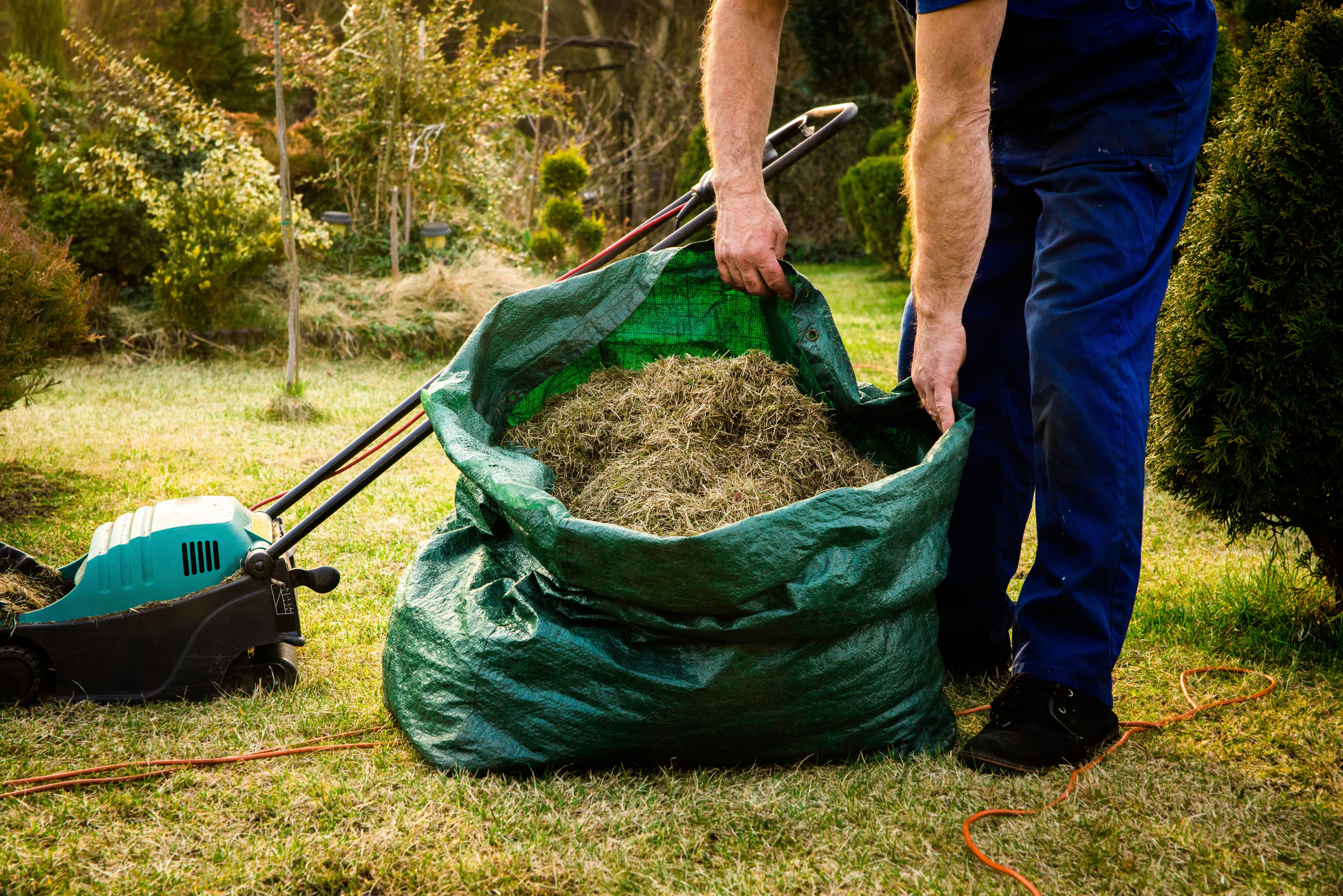
Dethatching is the process of mechanically lifting and removing the thick mat of thatch from the lawn surface. We use professional equipment that pulls up the compacted layer without the guesswork of hand raking large areas. This helps open the lawn so sunlight, moisture, oxygen, and nutrients can move where they need to go.
When done at the right time and under the right lawn conditions, dethatching can provide several important benefits:
- Improves water penetration into the soil
- Helps fertilizer reach the root system
- Encourages deeper, healthier root growth
- Reduces spongy or matted turf
- Supports better air circulation at the soil line
- Prepares the lawn for overseeding or lawn renovation
- Can improve the look and density of the grass over time
Signs your lawn may need dethatching
Not every lawn needs dethatching every year. In fact, doing it when it is not needed can create unnecessary stress. We look at the condition of the turf and the thickness of the thatch layer before making recommendations. Your lawn may be a good candidate for dethatching if you notice:
- A soft, springy, or spongy feel when you walk on it
- Water running off instead of soaking in
- Grass that looks thin even with regular watering and feeding
- Brown patches or uneven green-up
- Heavy buildup of dead material near the soil surface
- Poor response after fertilizing or overseeding
If you are not sure whether the problem is thatch, soil compaction, disease, or general lawn stress, we can help you sort that out. In some cases, dethatching is the right solution. In others, lawn aeration or a broader lawn treatment plan may make more sense. We believe in recommending what your yard actually needs.
Our dethatching process
We keep our process straightforward and focused on results. First, we evaluate the lawn to see if excess thatch is present and whether the timing is right for service. The best time for dethatching depends on the grass type and growing season, because the lawn needs active growth to recover well.
Once the lawn is ready, we use power dethatching equipment to loosen and lift the thatch layer across the turf. This process can pull up a surprising amount of dead material, which is a good sign that the barrier is being removed. After dethatching, we gather and remove the debris so the lawn is left cleaner and ready for the next step.
Depending on the condition of the yard, we may also recommend follow-up services such as:
- Overseeding to fill in thin or bare areas
- Core aeration to relieve soil compaction
- Fertilization to support recovery and new growth
- Seasonal lawn maintenance to protect long-term health
Combining dethatching with the right follow-up care often leads to better results than doing it alone.
How dethatching fits into lawn care
Dethatching is not a one-size-fits-all service. Some lawns build up thatch faster than others based on grass type, mowing habits, watering patterns, soil conditions, and past maintenance. Lawns that receive heavy fertilization or have aggressive growth can sometimes develop a thicker layer more quickly. That is why we look at the whole lawn, not just one symptom.
We also help customers understand what to expect after service. Right after dethatching, the lawn may look rougher than usual because a lot of dead material has been pulled out. This is normal. In many cases, the lawn improves as it recovers, especially when paired with watering, feeding, and seeding as needed. Our goal is not a quick cosmetic fix. It is a healthier lawn that performs better over time.
Why homeowners choose Lawn Country
When you hire Lawn Country, you are working with a team that knows how to handle lawn problems in a practical way. We do not push unnecessary services or use vague recommendations. We look at the condition of your turf, explain what we see, and do the work with care. Our dethatching service is meant to solve a real issue and give your lawn the best chance to grow back cleaner, stronger, and more evenly.
We understand that every property is different. A shaded backyard, a sun-exposed front lawn, and a high-traffic family yard can all behave differently. That experience matters when deciding how aggressive to be, when to schedule service, and what follow-up steps will help the most.
Schedule dethatching service
If your lawn feels spongy, drains poorly, or has heavy dead buildup near the soil, it may be time for dethatching. Lawn Country is ready to help you restore healthier turf with honest recommendations and professional service. Contact us today to schedule an evaluation or book your dethatching service. We will help you determine the right plan for your lawn and get it moving in the right direction.
Our Curb Installation Process
At Lawn Country, we keep curb installation simple, well-planned, and built to last. Our process is designed to give you clean lines, smooth grading, and a finished look that adds value and improves your landscape.
On-Site Layout and Clear Estimate
We visit your property to measure the install area, review drainage, grading, and landscape edges, and help you choose the best curb profile and color. Then we provide a clear estimate and timeline, so you know exactly what to expect before we start.
Site Prep and Precision Installation
Once scheduled, we prep the site by marking lines, clearing edges, and setting the base for proper alignment and long-term stability. Our crew installs the concrete curbing with smooth, consistent forms and clean transitions around beds, walkways, and drive areas.
Finish Work and Final Walkthrough
After installation, we complete detail work, check the curb height, flow, and finish, and make sure the area is left clean and neat. We walk the project with you, explain curing and care, and confirm everything meets our standards and your expectations.
Dethatching FAQs
Common questions homeowners ask us about dethatching, when it’s needed, and what to expect when you hire Lawn Country.
Why homeowners recommend Lawn Country
Honest feedback from local customers who value reliable service and visible lawn results

"We recently had landscaping done around our house. Scheduling was easy, and the whole process was smooth from start to finish. Their pricing was also reasonable compared to other quotes we received. Tyler and Nick arrived on time and completed all the work exactly as we requested. They also added an extra touch-solar lights, which turned out beautifully. It was one of those hot summer days in Minnesota, but they worked incredibly hard from morning until dark and finished the job on time. We are impressed by their workmanship, professionalism, and honesty. I definitely recommend Lawn Country for your landscaping projects."
"We finally had a concrete patio installed this spring, but unfortunately the contractors left a mess with the edging around the concrete. We've been using Lawn Country for weekly lawn care for the past two years, and they consistently keep our yard looking like one of the best on the block. Since we knew they also offered landscaping services, we contacted them for an estimate to install landscape fabric, edging, and rock around our patio and along the sides of our house. Their estimate was extremely affordable/reasonable, and they were able to complete the project quickly. We are very pleased with the quality of their work, professionalism, communication, and attention to detail. The finished project looks fantastic and completely transformed the area around our patio and sides of our house. We highly recommend Lawn Country and look forward to working with them on future landscaping projects."
"Lawn Country has always came in clutch for me! They are extremely responsive, fairly priced, and do amazing work. I have primarily utilized them for grass cutting, but will definitely plan on using them for any other future needs as i know they do much more. I have and will continue to recommend Lawn Country to my friends and family. Thank you guys! -Taylor Nelson (Dayton, MN)"
"Tyler gave us a good quote and we are considering using lawn country"
"I have been using them since the start! Great work done by these two guys. Always got my driveway plowed at a reasonable hour. Their lawn clean ups are top notch. Went above and beyond my expectations. Price is also very competitive or cheaper than others out there."
"Great customer service. Amazing quality of work. Lawns look professional and the landscaping is phenomenal"
Restore thicker, healthier grass fast—contact Lawn Country today to protect your lawn this season.